
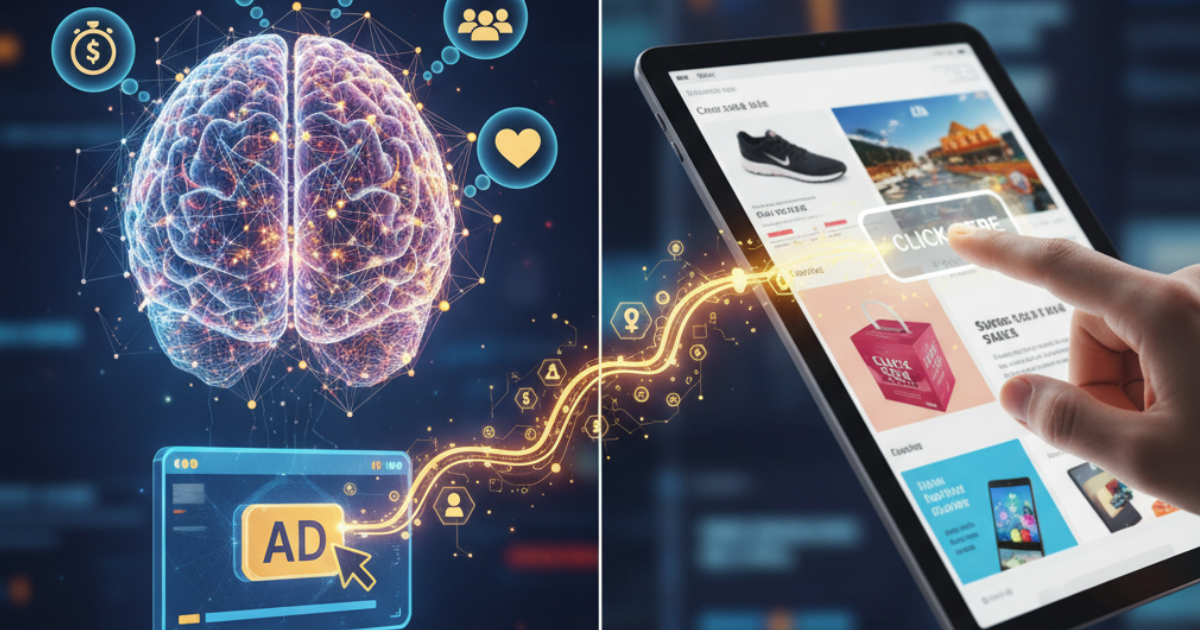
And How Marketers Actually Use It to Manipulate Human Psychology
You scroll through your feed, swiping past endless photos, memes, and videos. Then suddenly—you stop. An ad grabs your attention. Maybe it’s a sleek new gadget, maybe it’s a motivational quote tied to a product, maybe it’s just a bold headline. Whatever it is, you click.
This scenario plays out millions of times daily across the digital landscape. Clicking ads feels natural, but behind the scenes, psychology—not chance—is running the show. After studying advertising patterns and testing countless campaigns, one thing is clear: people don’t click because they want ads. They click because ads hack human psychology.
The Brutal Truth: Why Do We Click Ads?
Ad engagement isn’t random—it’s a carefully engineered psychological response. Here’s what I’ve learned:
THE CURIOSITY TRIGGER
We’re wired to fill knowledge gaps. Ads use curiosity like bait: vague headlines, blurred-out product images, or lines like “You won’t believe what happens next.” Our brains crave closure, so we click.
THE SOCIAL PROOF FACTOR
If everyone else is buying, we assume it’s a good investment. Ads that show “10,000+ happy customers” or influencer endorsements aren’t just bragging—they’re leveraging herd mentality. We’re social animals, and following the crowd feels safe.
THE FEAR OF MISSING OUT (FOMO)
Nothing pressures us like scarcity. “Only 2 left in stock,” “Offer ends tonight,” or countdown timers push us into action. Psychologically, losing an opportunity feels worse than gaining one, so we click to avoid regret.
The Warning Signs We’re Being Pulled In
Looking back, the signs of ad influence are obvious:
- When Curiosity Overrides Logic: Clicking just to “see what it is,” even when you know you don’t need it.
- When Discounts Feel Urgent: That sudden rush to buy because “the clock is ticking.”
- When Social Proof Feels Like Trust: Buying because “so many people can’t be wrong.”
Our brains are being nudged by triggers that advertisers design with precision.
How Marketers Actually Get Us to Click
After years of testing ad campaigns, I realized the magic isn’t in flashy visuals—it’s in psychology. Here’s what actually works:
I Learned to Sell Curiosity, Not Products
Ads don’t need to reveal everything. The best-performing campaigns I’ve run leave space for the brain to ask questions. Curiosity does the heavy lifting.
I Stopped Selling Features and Sold Stories
Nobody clicks because of “4GB RAM” or “organic ingredients.” They click because the story speaks to their identity. “This laptop helps creators design faster.” “This tea helps you slow down in a chaotic world.” Stories make people feel seen.
I Mastered the Power of Scarcity
Fake urgency backfires, but genuine scarcity is effective. When I tested “Offer ends tonight,” click-through rates spiked. The brain hates missed chances—it’s a survival instinct repackaged.
I Used Social Proof Without the Noise
Instead of vague “thousands of happy customers,” I learned to show real faces, reviews, and testimonials. Authentic proof builds trust faster than any headline.
If You’re Clicking Ads Without Realizing It
If you’ve ever thought, “Why do I keep clicking ads?”—you’re not weak. You’re human. Here’s what helps break the cycle:
Reconnect With Your Goals: Is this purchase aligned with what you truly need—or just a dopamine hit?
Pause Before You Click: Ask, “Do I want this, or am I reacting to FOMO?”
Spot the Triggers: Is it scarcity? Curiosity? Social proof? Once you recognize the hook, its power is lost
The Reality Check We All Need
Ad psychology isn’t evil—it’s just powerful. Used wisely, it helps people discover products that genuinely improve their lives. Used poorly, it manipulates us into spending without thinking.
The truth: you don’t click ads because you’re careless. You click because your brain is wired to respond to curiosity, scarcity, and belonging.
The goal isn’t to stop clicking ads—it’s to click with awareness. To know when you’re choosing, and when you’re being nudged.
Ads aren’t just pixels on a screen. They’re mirrors reflecting our deepest instincts: to be curious, to belong, not to miss out. Understanding the psychology behind why we click gives us power—whether as creators, marketers, or simply consumers in a digital world.
Take control. Not by avoiding ads entirely, but by learning the game they’re playing with your mind.
Ready to master digital marketing and scale your brand’s ROI?
Visit Souvik Mitra for actionable strategies, AI-driven tools, and marketing insights that help you grow smarter, faster, and stronger.